
Obeying God's Instruction When It Leads You Out of the Boat
Oct 14, 2026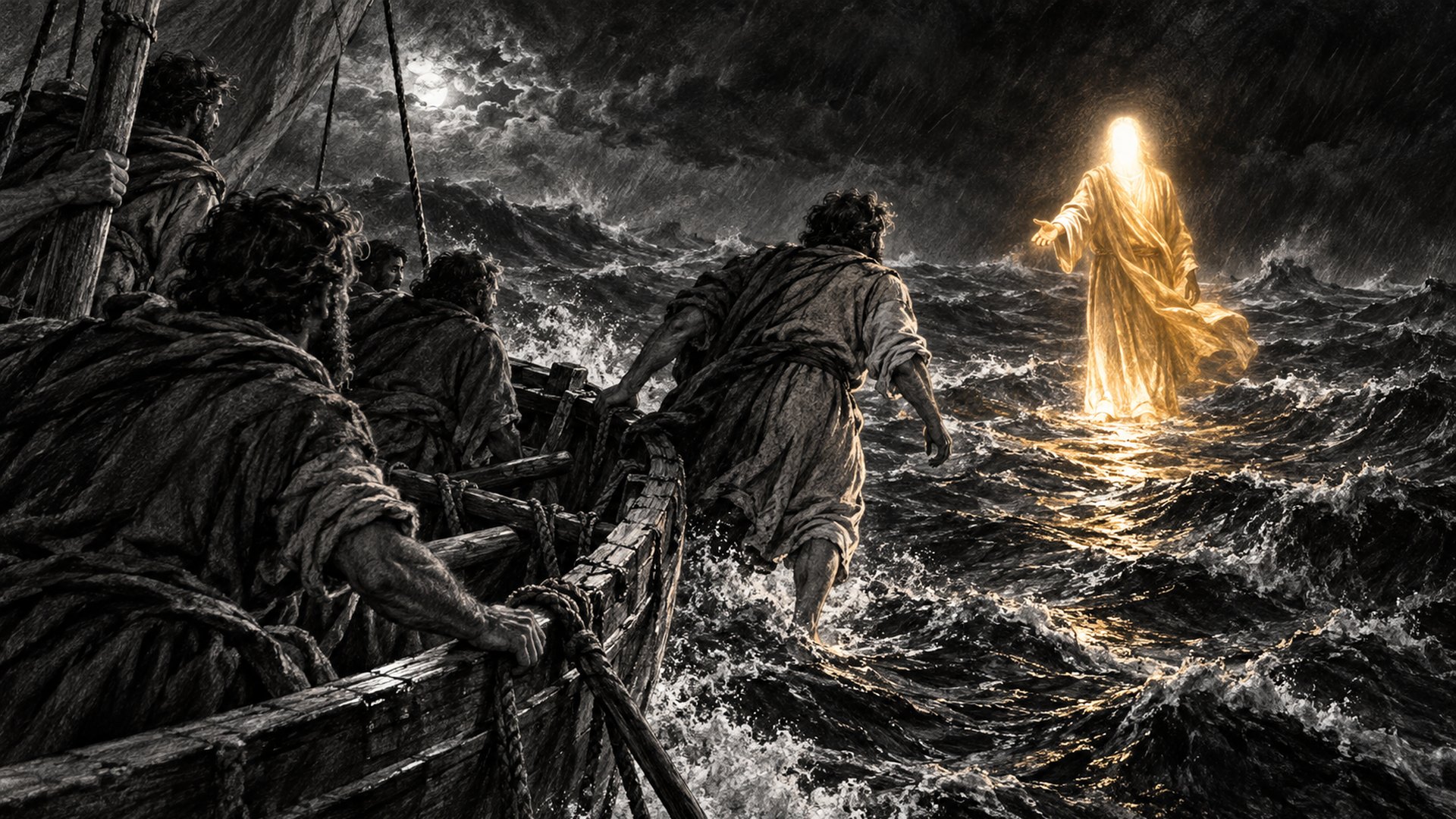
A step of faith can feel difficult when the familiar path seems safer. You may believe God has spoken and still wonder what obedience could cost. In How to Become a Water Walker, Andrew Wommack teaches that obeying God’s instruction is how believers move forward into the life of faith Jesus has for them.
Peter was not the only disciple in the boat, but he was the one who asked Jesus to call him onto the water. His example helps us see the difference between admiring what God can do and responding when He gives us a word.
What did Peter ask Jesus to do?
The disciples were in a boat during a storm when they saw Jesus walking toward them on the water. Matthew 14:28 records Peter’s request: “Lord, if it is You, command me to come to You on the water.” Jesus answered with one word: “Come.” (Matthew 14:29, NKJV). Peter climbed out of the boat and walked on the water toward Jesus.
God is no respecter of persons. Peter simply asked for the chance to do what he saw Jesus doing, and that invitation wasn’t reserved for a favorite.
It is easy to admire a miracle from a place of safety. Peter’s request put him in a position where he had to rely on Jesus’ answer. He did not jump out on his own idea. He asked Jesus, and when Jesus said, “Come,” he acted on that word.
The word from Jesus mattered. Peter was not trusting in water or in his ability to keep himself afloat. He trusted the One who called him. Faith responds to what God says, even when circumstances do not yet look safe.
Peter’s willingness to leave the shore is explored in “What Happens When You Leave the Shore”. The next question is how to respond when the Lord gives an instruction.
Obeying God's instruction means acting on what He said
A young man once told Andrew that the Lord had told him to come to Bible college. Then he listed everything it could cost him: his parents were ready to disown him, he stood to lose the family business, and his fiancée said she’d break off the engagement. “So what do you think?” he asked. Andrew answered, “You lost me the moment you said God told you to come to Bible college and you knew it.”
Weighing every possible problem is a poor way to discern God’s will. When God tells you to do something, the right response is simply, “Yes, sir.” The cost is real, but it doesn’t change what He said.
Mary gave the servants at the wedding in Cana a simple direction: “Whatever He says to you, do it” (John 2:5, NKJV). When Jesus told them to fill the water pots, they did. In the natural, carrying water to the feast did not seem like a way to solve the shortage of wine. They followed Jesus’ direction, and He turned the water into wine.
Obedience does not require you to understand every part of what God will do next. The servants had a clear instruction for the next step. They did that step, and Jesus worked the miracle.
How can you tell the difference between faith and fear?
Fear can keep a person choosing only what feels secure. Andrew had been cautious about expanding the ministry, though he believed God had called him to reach more people through television. He worried that the cost could damage the ministry and found himself moving slowly to avoid risk.
On January 31, 2002, the Lord spoke to Andrew through Psalm 78:41 and told him he was limiting Him by small thinking. Andrew kept wisdom in view, began believing bigger, and moved toward what he believed God wanted him to do.
The disciples’ boat was being battered and filled with water. The familiar place was not free from danger. Sometimes the security we hold onto cannot provide what we imagine it can, while the step God gives us leads us to depend on Him.
Earlier in this series, “You Have to Position Yourself for a Miracle” considers how faith moves us into position. This episode asks what to do once you sense the Lord calling you forward.
What has God already asked you to do?
Before Peter walked on the water, he had to get out of the boat. When a believer receives a clear instruction from God, that instruction may be the next step requiring faith. We can want a miracle while waiting for every detail first, but faith acts on what God has already said.
The next step may change a routine, ask you to serve, lead you to speak with someone, or move you toward a new opportunity. Peter asked Jesus to call him, and he moved when Jesus did. Faith follows the Lord’s direction.
If you are unsure what to do, bring the decision plainly to God. Andrew spent years asking the Lord whether he should leave his Baptist church, framing the question around whether God would want him to leave people He loved. Later he asked, “Lord, can I leave?” and received the answer, “Go.” Changing the question helped him see the decision more clearly.
God loves people in every church and every denomination. We can bring an actual decision to Him and let His Word shape our answer, without assuming in advance what He will say.
What might change when you obey?
Peter stepped out of the boat because Jesus told him to come. Andrew left a familiar church after years of seeking God about it. In both moments, the next step began with trust in what the Lord had said.
Peter’s boldness didn’t mean he never made mistakes. He could speak impulsively and misunderstand Jesus, yet he was still the disciple who got out of the boat. You don’t need a perfect record to respond to God. You need His word and a willing heart.
And the Lord meets you where your faith is. The centurion believed Jesus could heal with a word. Others asked Him to come and lay hands on someone they loved. Peter asked to be called onto the water. Jesus met each of them right there, and He’ll meet you there too.
When Jesus says “Come,” the next step is clear: trust His word enough to leave the boat.
This post draws from How to Become a Water Walker, Episode 6 by Andrew Wommack. Watch the full teaching on YouTube.
Discover Your Calling
Andrew Wommack is hosting a free 4-day Masterclass to help you find clarity, direction, and confidence in what God has for your life.