
Biblical Principles of Giving: Trusting God as Your Source
Nov 05, 2026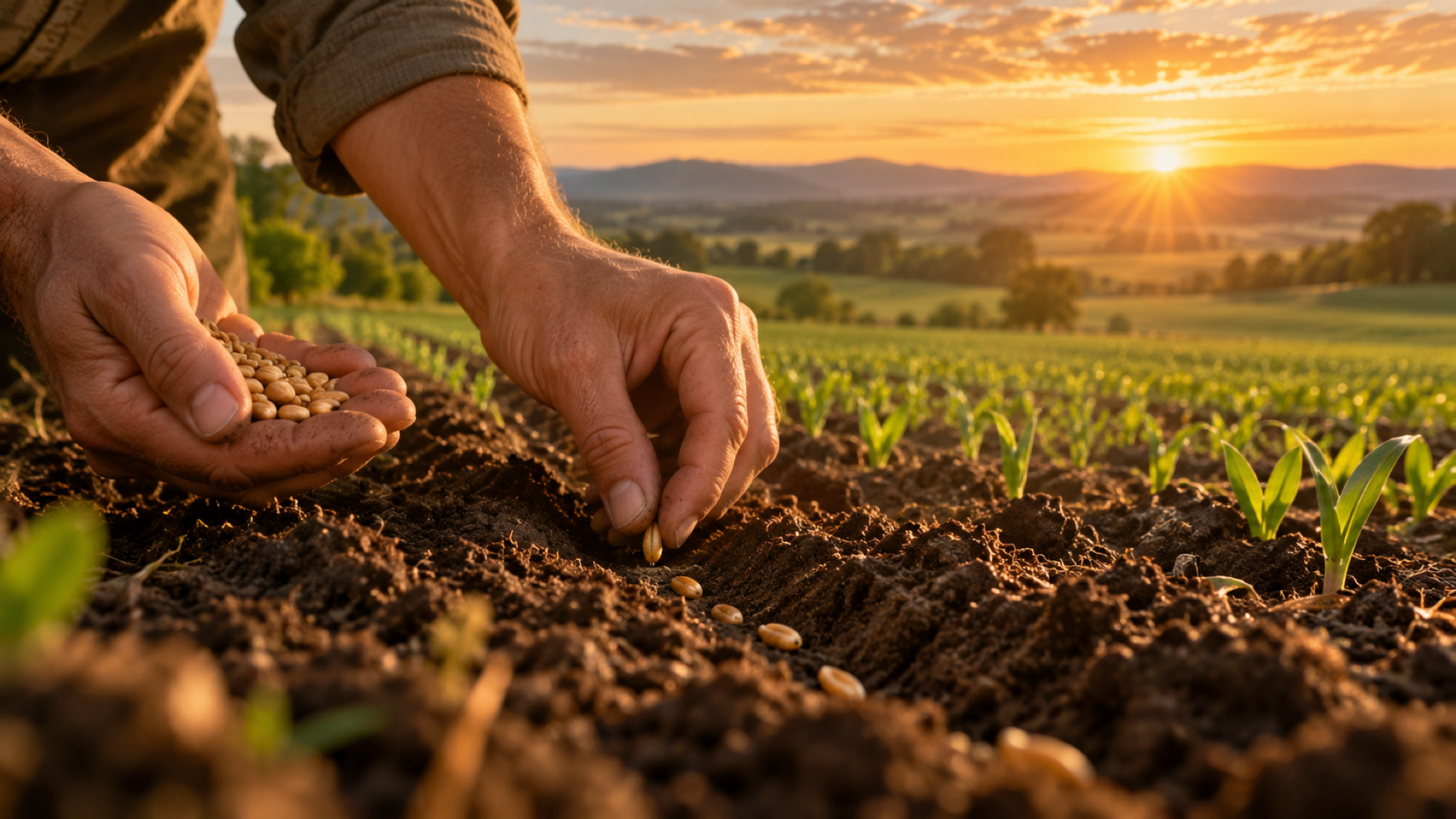
Giving can look like losing something you need. You may think holding on is the safest choice. But if God is your source, fear is a poor reason to close your hand. The question reaches beyond a church offering or a line in your budget. Will you let God's generosity shape the way you use what is already in your care?
What does Jesus say about giving?
Giving is part of how you treat people, and Jesus ties it to receiving. Luke 6 places giving alongside forgiveness, prayer for others, and doing good to others. Jesus says, “Give, and it will be given to you: good measure, pressed down, shaken together, and running over will be put into your bosom. For with the same measure that you use, it will be measured back to you” (Luke 6:38, NKJV).
The same measure matters. Jesus does not separate the measure you use from the measure that comes back. Generosity and stinginess do not produce the same harvest. If fear tells you to keep every good thing for yourself, is that wisdom, or is it a refusal to trust the One who gives?
God’s generosity is not an occasional exception. The earth, righteousness, peace, joy, love, authority, faith, and every promise are gifts. Romans 8:32 asks, “He who did not spare His own Son, but delivered Him up for us all, how shall He not with Him also freely give us all things?” (NKJV).
God has given you His Son. The giver lives in you when you are born again. Giving can reflect His nature because He has already given to you. You are not trying to make God generous by giving. You are responding to the generosity you have received.
Think of what has already come from Him: the earth, righteousness, peace, His Word, His promises, and the blood of Jesus. God has given freely. You have a reason to trust His heart when you give.
How does the seed principle work?
A seed carries the nature of its source and produces according to its kind. The first chapters of Genesis describe creation reproducing this way. The same principle gives a picture of giving: what you sow can produce a harvest beyond the seed itself.
Jesus compares the kingdom of God to seed scattered on the ground, growing toward a harvest (Mark 4:26-29). Paul states the principle plainly: “He who sows sparingly will also reap sparingly, and he who sows bountifully will also reap bountifully” (2 Corinthians 9:6, NKJV).
The seed is a beginning, not the full harvest. One act of giving can carry the potential to bless others beyond the moment you give it. The principle applies to money and resources, and it applies to time, forgiveness, prayer, service, and love. You can give your child more time. You can forgive. You can offer practical help. These are all ways to give from what is in your hands.
Giving comes from faith and trust in Him as your source. A gift motivated by pressure or fear misses the heart of the principle. Ask yourself what your giving carries: confidence in God, or anxiety that you are on your own?
Why does the heart behind giving matter?
The heart behind a gift matters as much as the act. Paul continues, “So let each one give as he purposes in his heart, not grudgingly or of necessity; for God loves a cheerful giver” (2 Corinthians 9:7, NKJV).
You can give because you feel forced, or you can give willingly because you trust God. Those motives are not the same. Let your understanding of His generosity change the reason you give. A willing heart grows as you recognize that God is your source and that He has placed His generous nature in you.
Paul connects a willing heart with God’s provision: “And God is able to make all grace abound toward you, that you, always having all sufficiency in all things, may have an abundance for every good work” (2 Corinthians 9:8, NKJV).
The purpose of provision includes good work. God gives, and His people can give from what He supplies. When you see Him as your source, you do not have to treat your own strength as the only thing holding your life together. What has He placed in your hands that could become a blessing to someone else?
What can a small gift become?
A small gift can be seed in the hands of Jesus. In John 6, a boy brought a small meal, Jesus gave thanks, and the food was distributed to the crowd. The people ate as much as they wanted, and the disciples gathered what remained (John 6:1-14). Jesus did not treat the meal as useless because it was small. It was something He could use.
The question is not whether what you have looks impressive. Are you grateful for it, or do you curse it because it seems insufficient? Jesus gave thanks for the food, then the disciples distributed it. The boy’s lunch became part of feeding thousands.
Giving carries the nature of the heart, and God can multiply what is given in faith. The disciples kept passing the food out, and thousands ate. The meal began as a small amount in one boy's hands. What could your willingness put into motion when you stop judging by the size of what you have?
What does generosity produce?
Generosity can bring increase, while withholding can lead to loss. Proverbs says, “There is one who scatters, yet increases more; And there is one who withholds more than is right, But it leads to poverty” (Proverbs 11:24, NKJV).
That sounds backward if you assume the only way to have more is to keep more. But Scripture describes a different path. “The generous soul will be made rich, And he who waters will also be watered himself” (Proverbs 11:25, NKJV).
Generosity is more than a financial transaction. You can scatter kindness, forgiveness, time, and resources. Proverbs 21:26 contrasts the person who covets with the righteous person who gives. Psalm 112:9 also describes the righteous giving to the poor and growing stronger. The direction is clear: trust in God moves you toward generosity, while fear makes you clutch what you have.
The righteous give because they know God as their source. The size of a gift does not decide whether it is generous. Ten cents from a bountiful heart can multiply, while a thousand dollars given under pressure will not. The measure is the heart you bring, whether the gift is money, time, care for your family, or forgiveness. Trust makes room for an open hand.
The seed of God’s Word is also meant to grow in you. Its source is God, so expect growth in your knowledge of Him, faith, love, joy, and peace. A life receiving from God can become a life that gives. Will you trust Him enough to give from what He has put in your hands?
Go deeper: watch Free Indeed, Episode 153 on YouTube.
Discover Your Calling
Andrew Wommack is hosting a free 4-day Masterclass to help you find clarity, direction, and confidence in what God has for your life.
